
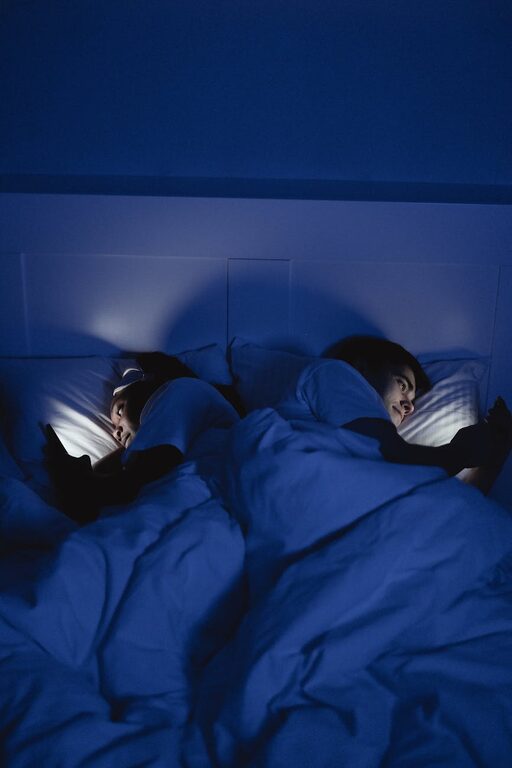
Creating a screen-light evening is a wonderful way to unwind while still enjoying your favorite digital content. Unlike the usual bright screen sessions that can strain your eyes and interfere with sleep, a screen-light evening focuses on softer lighting, calming activities, and mindful use of screens. Whether you’re spending time watching movies, reading on a tablet, or browsing your phone, planning a screen-light evening can help you relax, reduce fatigue, and promote better rest.
What Is a Screen-Light Evening?
A screen-light evening is a deliberately planned time where you engage with screens in a way that minimizes harsh light exposure. This means using dimmer, warmer lights and adjusting device settings to create a comfortable and soothing atmosphere. Instead of the typical blue-light heavy glow, your screen light feels gentle and inviting.
This practice is gaining popularity as more people realize the impact of bright screens on sleep quality and overall relaxation. With the right setup, you can enjoy your device time without compromising your comfort.
Benefits of a Screen-Light Evening
– Reduced eye strain: Softer lighting reduces glare and helps prevent eye fatigue.
– Improved sleep: Limiting blue light exposure before bed encourages natural melatonin production.
– Enhanced relaxation: A cozy environment promotes calmness and stress relief.
– Mindful screen use: Encourages balance between digital time and rest.
How to Plan Your Screen-Light Evening
1. Choose the Right Time
Pick an evening time that suits your daily schedule but avoid late-night hours close to bedtime if possible. Starting about 1–2 hours before you plan to sleep works well.
2. Prepare Your Space
Your environment plays a big role in making your screen-light evening pleasant.
– Dim ambient lighting: Use lamps with warm, soft bulbs (around 2700K color temperature) to create a cozy glow.
– Avoid overhead bright lights: Bright ceiling lights can counter the cozy effect.
– Add soft textures: Blankets, cushions, or even candles (flameless if preferred) add to the ambiance.
3. Adjust Your Devices
Most modern devices offer settings to reduce blue light and brightness.
– Enable Night Mode or Blue Light Filter: This changes the screen’s light to warmer tones.
– Lower your screen brightness: Set the brightness to a comfortable, lower level.
– Consider screen size and distance: Use larger screens at a comfortable distance to reduce eye stress.
4. Plan Calming Activities
Decide how you want to spend your screen-light evening. Good options include:
– Watching movies or TV shows: Choose lighthearted, relaxing content.
– Reading eBooks or digital magazines: Opt for apps that allow you to use sepia or night reading modes.
– Listening to podcasts or audiobooks: Turn off the screen after playing audio content.
– Browsing social media with limits: Use apps mindfully and avoid stressful or overly stimulating content.
5. Incorporate Breaks and Other Relaxing Elements
– Take short breaks: Every 20-30 minutes, look away from the screen for a few minutes.
– Do light stretching: Gentle movements help reduce muscle tension.
– Enjoy a warm drink: Herbal teas or warm milk enhance the cozy feeling.
– Practice deep breathing or meditation: Calm your mind before bed.
Tips for Making It a Routine
Building a habit of screen-light evenings brings ongoing benefits.
– Set a reminder: Use alarms or calendar alerts to start your screen-light time.
– Create a playlist or watchlist: Prepare your content in advance to avoid decision fatigue.
– Notify family or roommates: So they can support your quiet time.
– Reflect on your experience: Notice how your eyes and mood feel after these evenings.
Devices and Tools to Enhance Your Experience
Consider some helpful gadgets or apps that support screen-light evenings:
– Blue light filtering glasses: Especially useful if you can’t avoid bright screens.
– Apps like f.lux or built-in device settings: For adjusting screen colors automatically.
– Smart bulbs and dimmers: To control lighting levels easily.
– Comfortable headphones: To improve audio quality while minimizing disturbances.
Common Challenges and How to Overcome Them
Difficulty Reducing Screen Brightness
If your device settings are limited, use screen protectors or physical filters designed to reduce light intensity.
Feeling Restless Without Bright Environment
Try gradually dimming the room and screen over several nights to adapt more comfortably.
Temptation for Late-Night Screen Use
Set screen curfews or use apps that limit your device use after a certain time.
Final Thoughts
Planning a screen-light evening is a simple but effective way to enjoy your digital activities without compromising your comfort or sleep quality. By thoughtfully adjusting your environment, device settings, and choosing calming content, you can create a relaxing ritual that supports your wellbeing.
Give it a try tonight and notice how a gentler light can make all the difference!